Our

Magnesium
-
sku158863
-
sku163254
-
sku7394

-
sku146605
-
sku158190
-
sku164166
-
sku140214
-
sku165506
-
sku140219

-
sku93608
-
sku157672
-
sku164119

-
sku161522
-
sku10056
-
sku136538
-
sku158487

-
sku158429
-
sku7388
-
sku7393
-
sku153439
-
sku158915
-
sku151108
-
sku82044

-
sku162582
-
sku160259
-
sku167332
-
sku159338
-
sku141682
-
sku6643
-
sku160836

-
sku161879
-
sku162560
-
sku158477
-
sku67408

-
sku135858

-
sku63166

-
sku157807
-
sku66201
-
sku64263
-
sku160107

Which Magnesium Is Right for You?
Magnesium comes bound to different compounds, and each form behaves a little differently in the body. What you need it for, how your stomach handles it and the format you prefer will point you towards the right one. Here is a quick breakdown to help you choose.
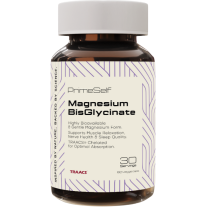
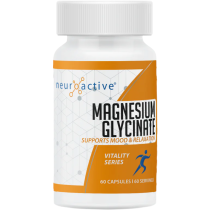
Magnesium Glycinate
Also sold as magnesium bisglycinate
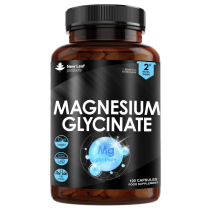
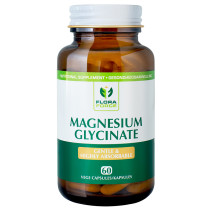
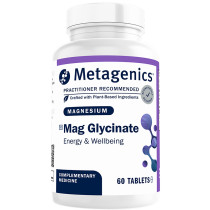
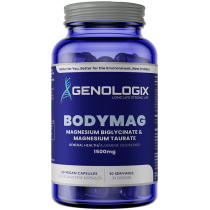
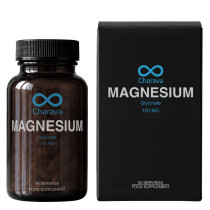
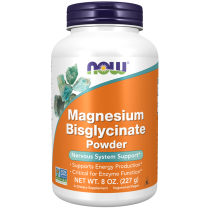
Magnesium bound to glycine, an amino acid. It's well absorbed and kind to sensitive stomachs, which makes it a popular first choice. Pick from capsules or unflavoured powders, including practitioner brands like Metagenics.
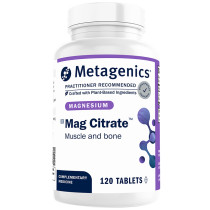
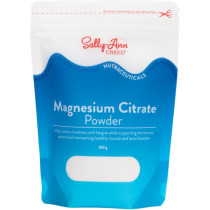
Magnesium Citrate
Magnesium bound to citric acid
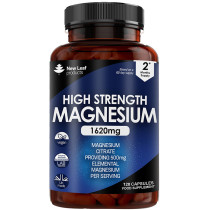
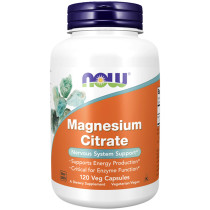
A well-absorbed, budget-friendly form that comes in capsules, powders and gummies. It draws water into the gut, so higher doses can have a mild laxative effect. Some people choose it for exactly that reason.
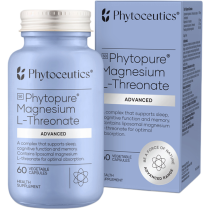
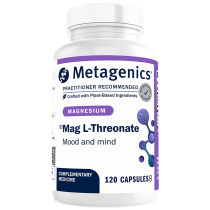
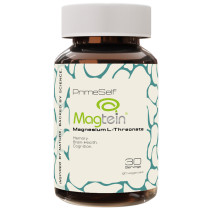
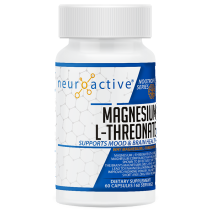
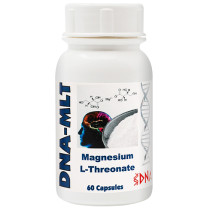
Magnesium L-Threonate
Also sold as Magtein
A newer form being studied for how well it reaches the brain. Each capsule carries less magnesium than other forms, so it usually costs more. Many people take it alongside a second form for overall intake.
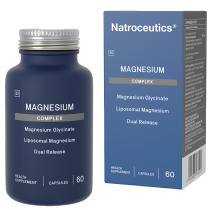
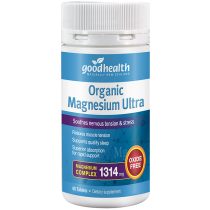
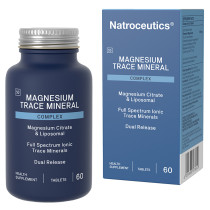
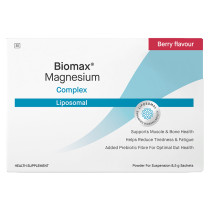
Magnesium Complex
Glycinate, citrate, malate, taurate and more
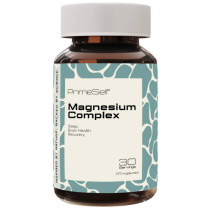
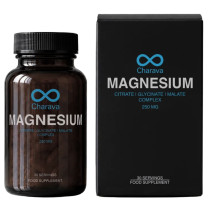
Two or more forms blended into one daily dose, so you get the benefits of each without buying several products. Check the label to see which forms are in the mix and in what amounts.
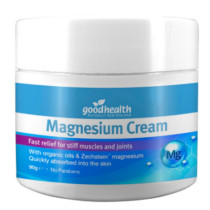
Topical Magnesium
Sprays, creams, bath flakes and Epsom salts
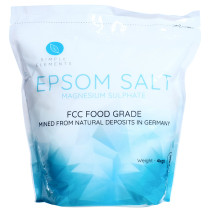
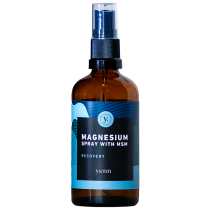
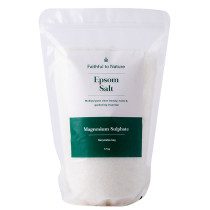
Magnesium chloride or Epsom salt (magnesium sulphate) applied to the skin or added to a bath. Research on how much the skin absorbs is still limited, so think of these as a complement to magnesium from food or supplements.
Other Magnesium
Malate, liquid, ionic and food-based
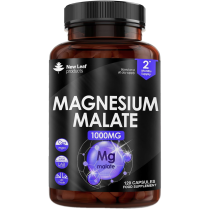
Single forms that don't fit the other groups, including magnesium malate, liquid and ionic drops, and magnesium from sea vegetables. Liquids are handy if you'd rather not swallow capsules.
Still deciding? Read our guide, Which Magnesium Is Right for You?, for a closer look at each form.
Supplements are not a substitute for a varied diet. If you're pregnant, breastfeeding, taking medication or have a kidney condition, chat to your healthcare practitioner before taking magnesium.
Frequently Asked Questions
Which form of magnesium is best?
There's no single best form of magnesium, because it depends on what you need it for. Magnesium glycinate is gentle on the stomach and popular for evening use. Magnesium citrate is well absorbed and good value, and magnesium L-threonate is being studied for brain health. Our guide, Which Magnesium Is Right for You?, compares each form side by side.
Does magnesium help with sleep?
Magnesium plays a role in muscle relaxation and nervous system function. Some research suggests it may help improve sleep quality, especially in people with low magnesium levels. Magnesium glycinate is the form most often chosen for sleep, partly because glycine has also been studied for its calming effect. Many people take it about an hour before bed.
How much magnesium is too much?
For adults, the upper limit for magnesium from supplements is 350 mg a day, according to the US National Institutes of Health. Magnesium from food doesn't count toward this limit. Taking more can cause loose stools, cramping or nausea. Check the elemental magnesium on the label, and speak to a healthcare practitioner first if you have a kidney condition.