Our

Bakuchiol
Plant Extract - meroterpene
Bakuchiol
Other Name(s):
Psoralea corylifolia;CAS# 10309-37-2

Bakuchiol is made from Psoralea corylifolia, a small plant native to India and Sri Lanka. It grows pale, purple flowers in the summer and yields a large number of small seeds.
Is Bakuchiol Faithful to Nature?
Yes.
Bakuchiol is a naturally occurring, more gentle alternative to retinol with a host of skin care benefits.
Benefits: Why is Bakuchiol Used?
Youthful Complexion
Bakuchiol keeps skin looking young, soft and supple.
Retinol Alternative
Bakuchiol visibly reduces the appearance of wrinkles as effectively as retinol.
Power Ingredient
Bakuchiol has antibacterial, antioxidant and anti-inflammatory properties.
Even Complexion
Bakuchiol reduces skin discolourations from environmental damage and may be be used to treat pigmentation.
Bakuchiol is found in many premium, natural skincare products from wrinkle reduction moisturisers, anti-ageing serums, revitalising eye creams, rejuvenation face masks and more.
Bakuchiol is made by first gathering the seeds of Psoralea corylifolia. The seeds are then pressed to extract their oil. The Bakuchiol monoterpene is then isolated from the oil by a process called elution (solvent extraction, typically by ethanol).
Contrary to retinol which is known to make the skin very sensitive to sun exposure, bakuchiol maybe even help the skin become less sensitive to sun exposure.
Notice: The information provided here is not intended as medical advice and is for educational purposes only.
Products Containing Bakuchiol
-
sku137436

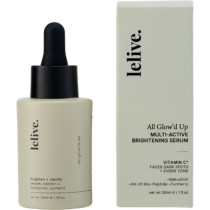
-
sku152849
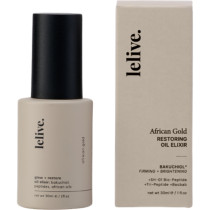
-
sku159631
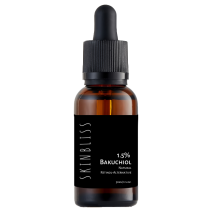
-
sku1935v5
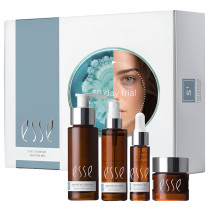
-
sku157183
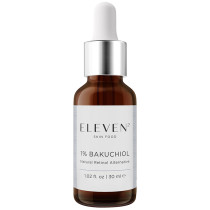
-
sku143443
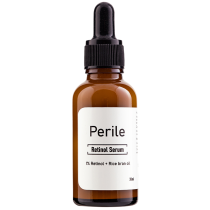
-
sku161410
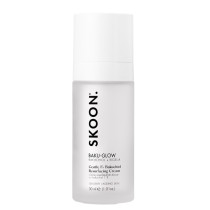
-
sku103393
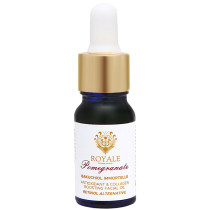
-
sku159948
-
sku159254
-
sku164337
Frequently Asked Questions
What is bakuchiol and why is it called nature's retinol?
Bakuchiol is a plant-derived active from the seeds of the babchi plant (Psoralea corylifolia) that has earned the nickname "nature's retinol" because it mimics retinol's effects on skin, stimulating collagen production, smoothing fine lines, and improving skin tone, without the irritation or photosensitivity that conventional retinol can cause. It works through a different biochemical pathway to retinol, but research suggests the results are comparable, making it a popular choice for those seeking effective yet gentle anti-ageing skincare.
Is nature's retinol as effective as conventional retinol?
Clinical studies show bakuchiol produces comparable results to retinol for reducing fine lines and evening skin tone, with significantly fewer side effects. A key 2019 study published in the British Journal of Dermatology found that participants using bakuchiol twice daily achieved similar improvements in wrinkles and pigmentation to those using retinol, but reported far less dryness, stinging, and peeling. For those with sensitive skin or rosacea, bakuchiol is often a more sustainable long-term option.
Why is bakuchiol called nature's botox?
Bakuchiol is sometimes referred to as nature's botox for its ability to visibly reduce the appearance of expression lines and improve skin firmness over time. It supports collagen and elastin production, which helps skin look plumper and more lifted with consistent use. While it does not work in the same way as botulinum toxin, the visible smoothing effect on dynamic lines, particularly around the eyes and forehead, has led to the comparison. For best results, look for anti-ageing formulas that combine bakuchiol with peptides or vitamin C.
Is nature's retinol safe to use during pregnancy?
Yes. Bakuchiol is widely considered a pregnancy-safe alternative to retinol, which dermatologists typically advise avoiding during pregnancy and breastfeeding. Unlike retinol and other retinoids, bakuchiol is plant-derived and has not been linked to any teratogenic effects. It is also free from the irritation associated with retinol, making it suitable for skin that may be more reactive during pregnancy. Always check individual product formulations for other ingredients of concern, and consult your healthcare provider if you are unsure.
Can you use bakuchiol morning and night?
Yes, and this is one of the key advantages over conventional retinol, which most dermatologists recommend using only at night due to its photosensitivity. Bakuchiol is photostable, meaning UV exposure does not degrade it or increase skin sensitivity, so it can be used in both your morning and evening routine. For daytime use, always follow with a broad-spectrum SPF, not because bakuchiol requires it, but because daily sun protection is essential to any anti-ageing regimen.